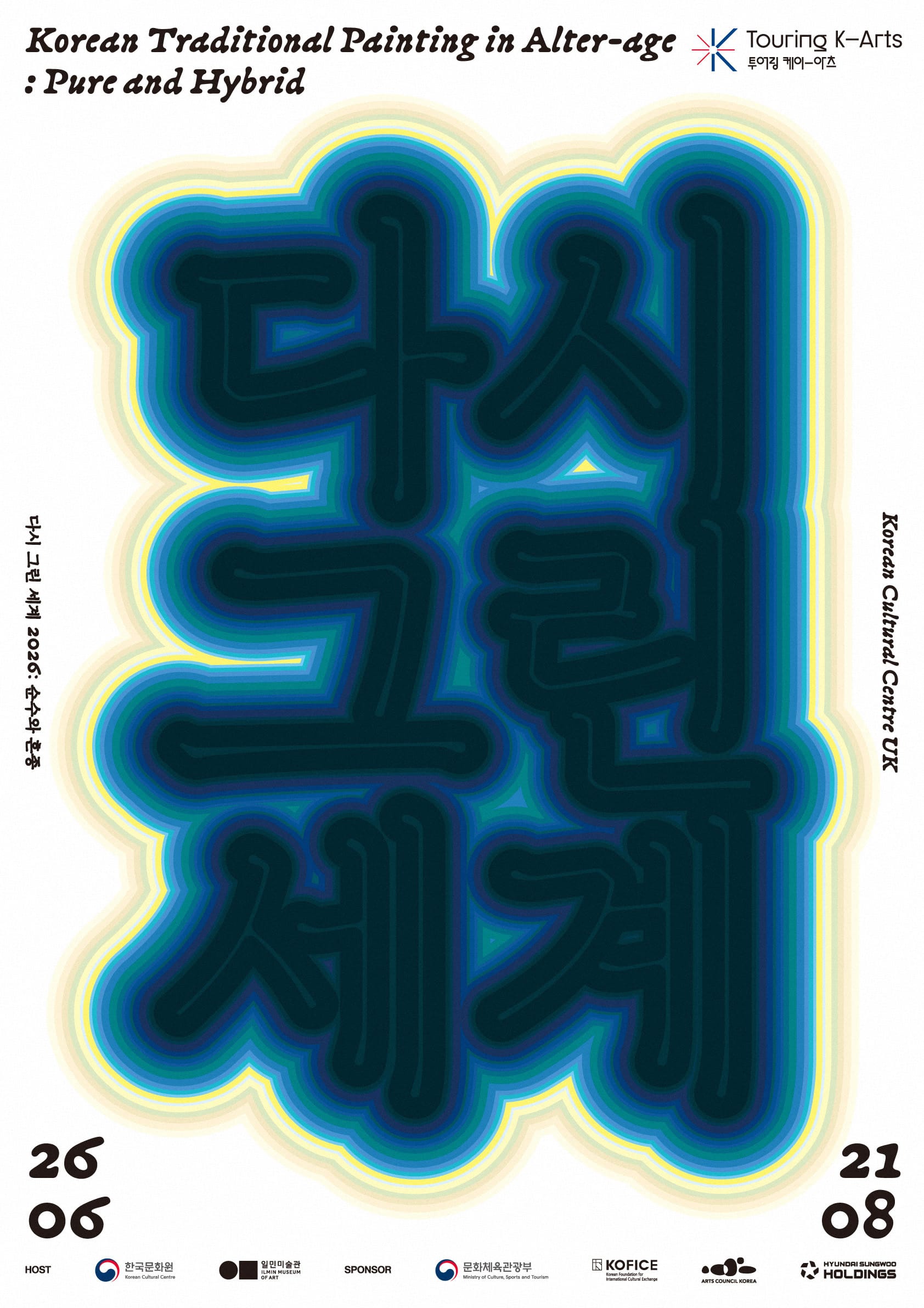
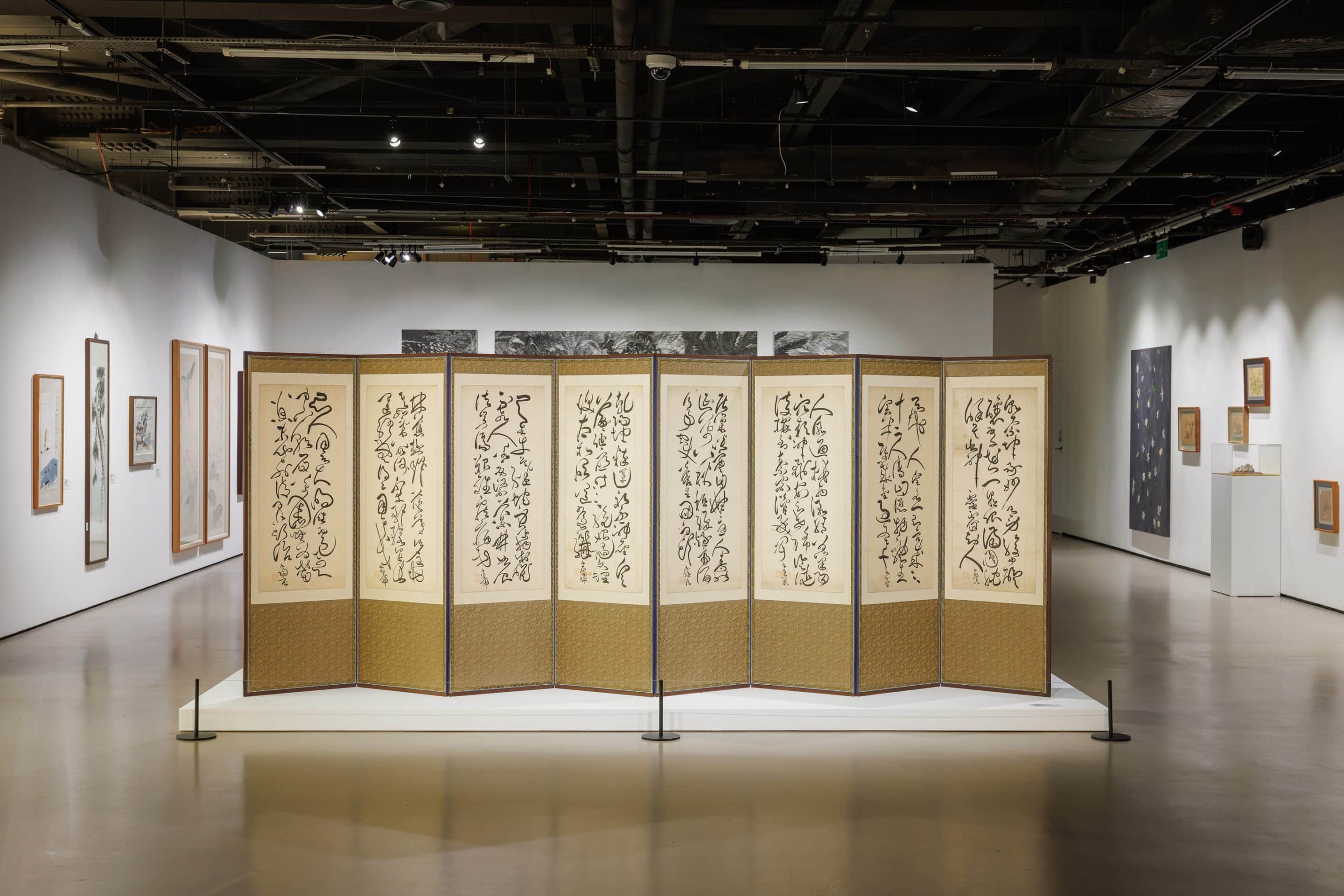
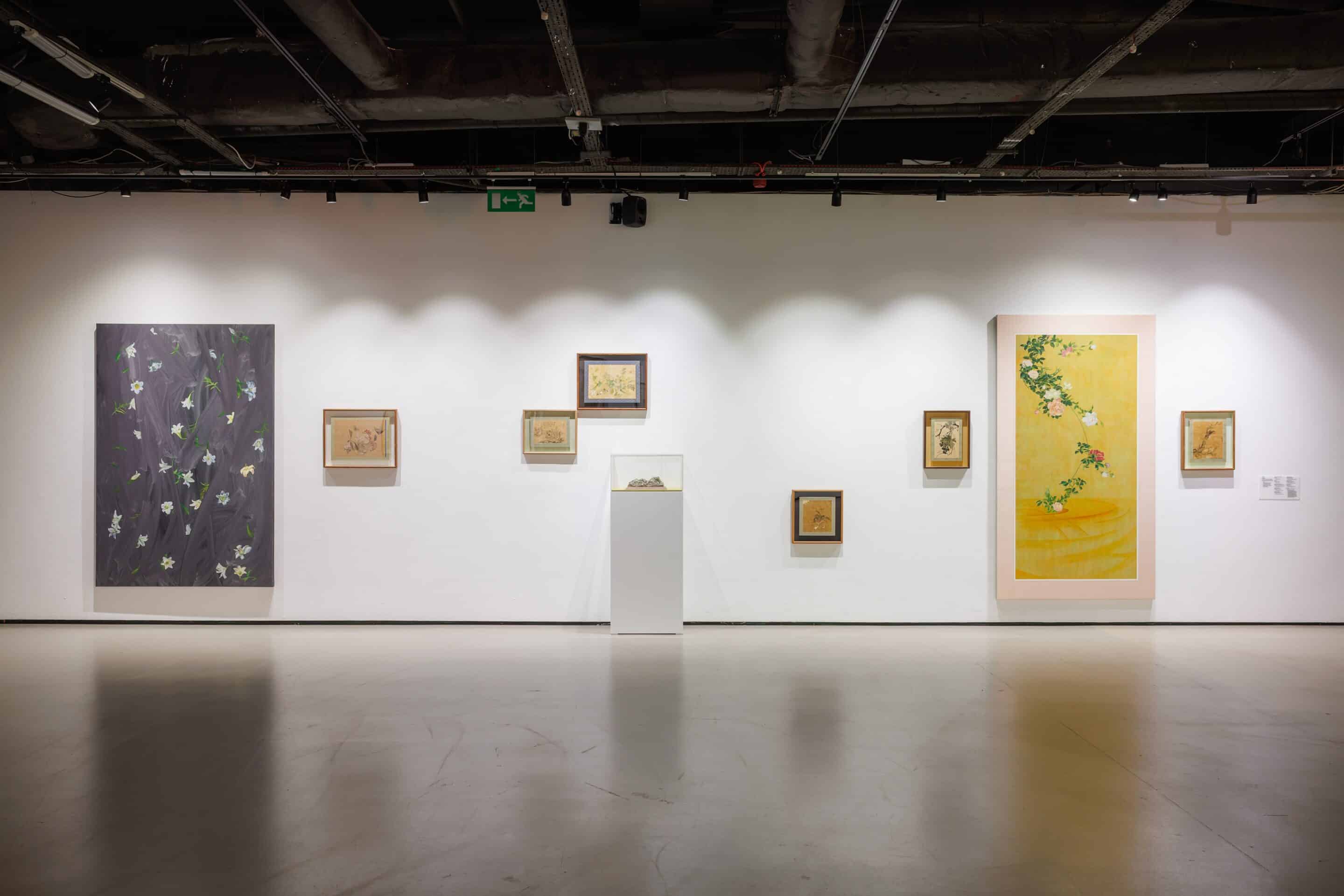
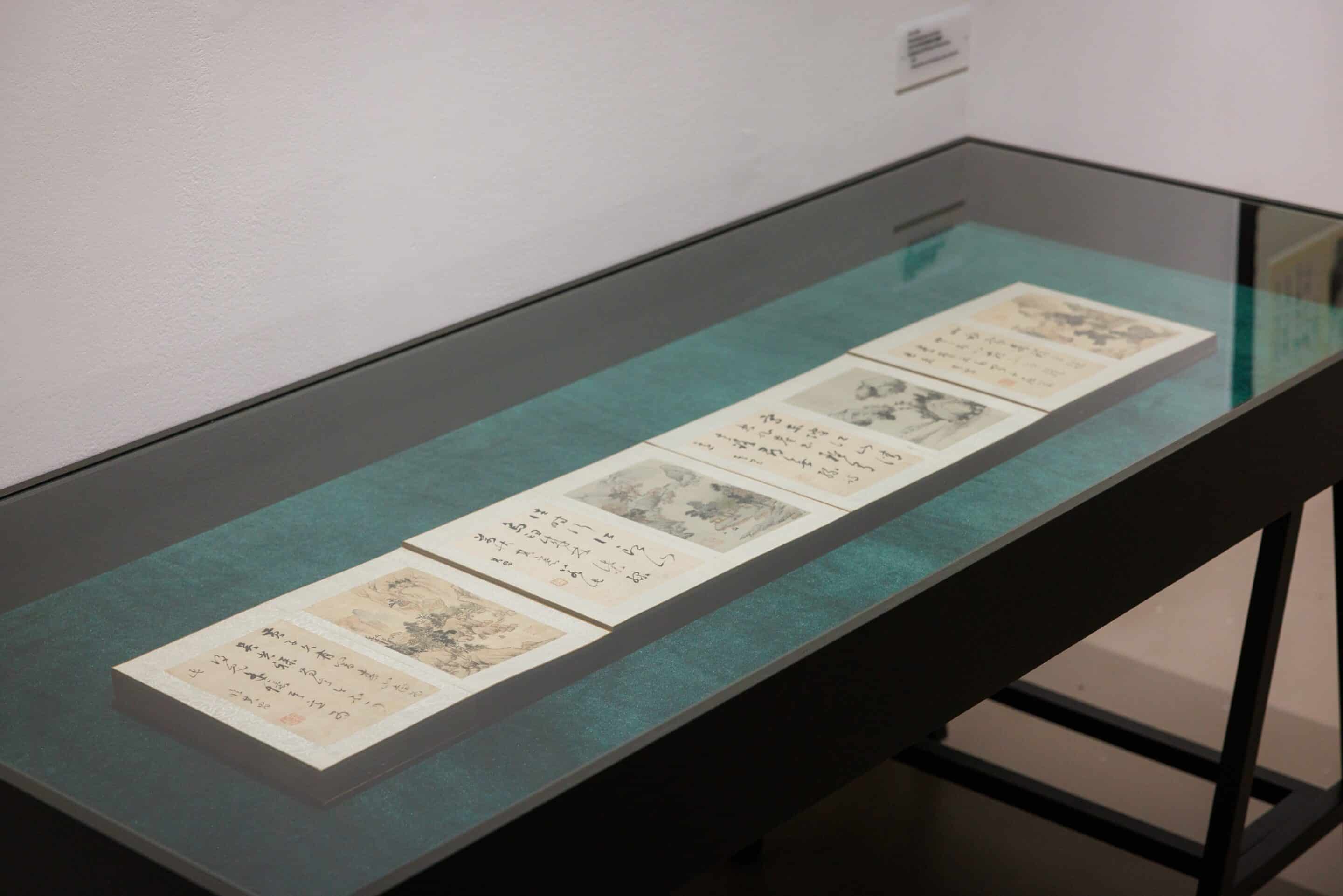
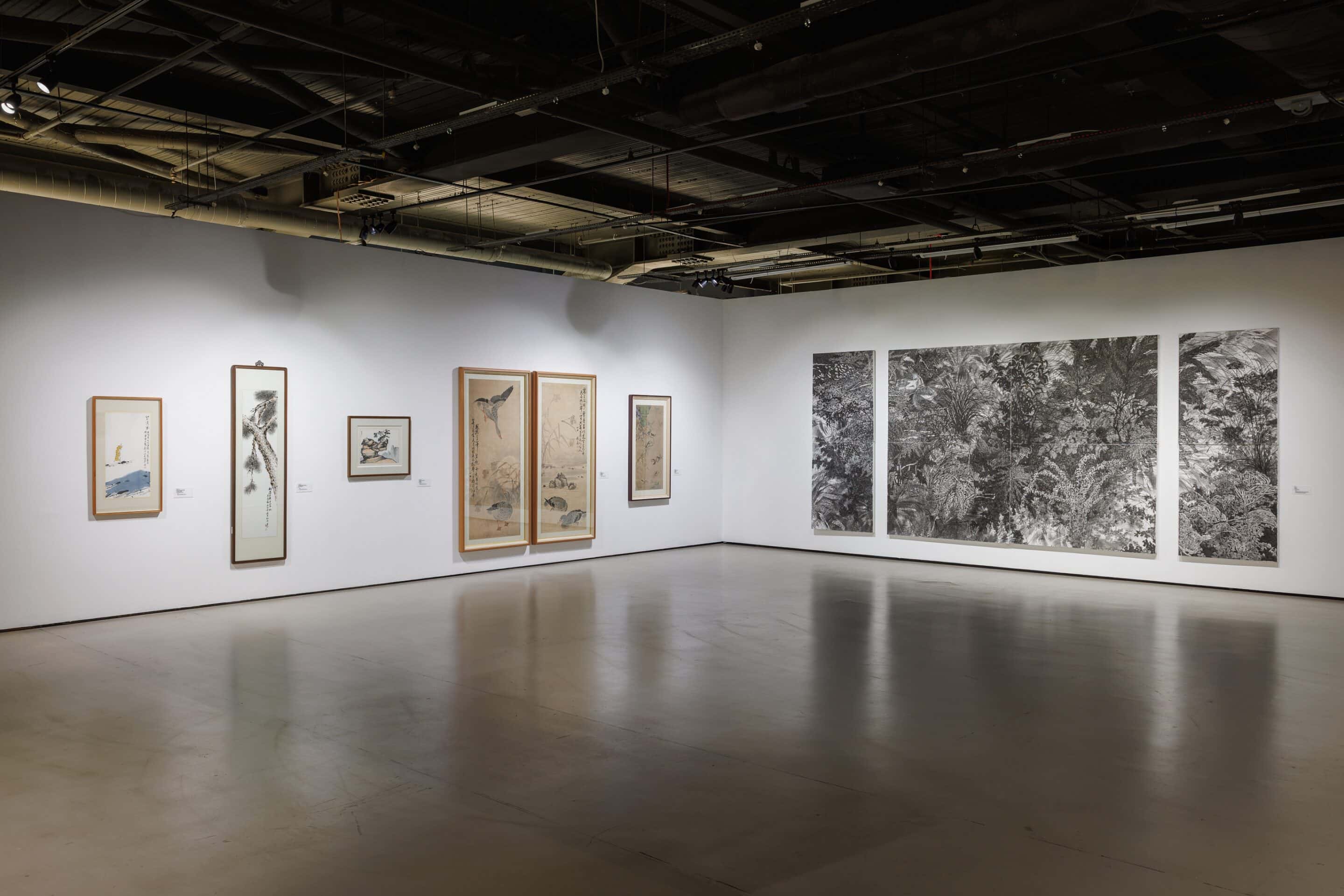
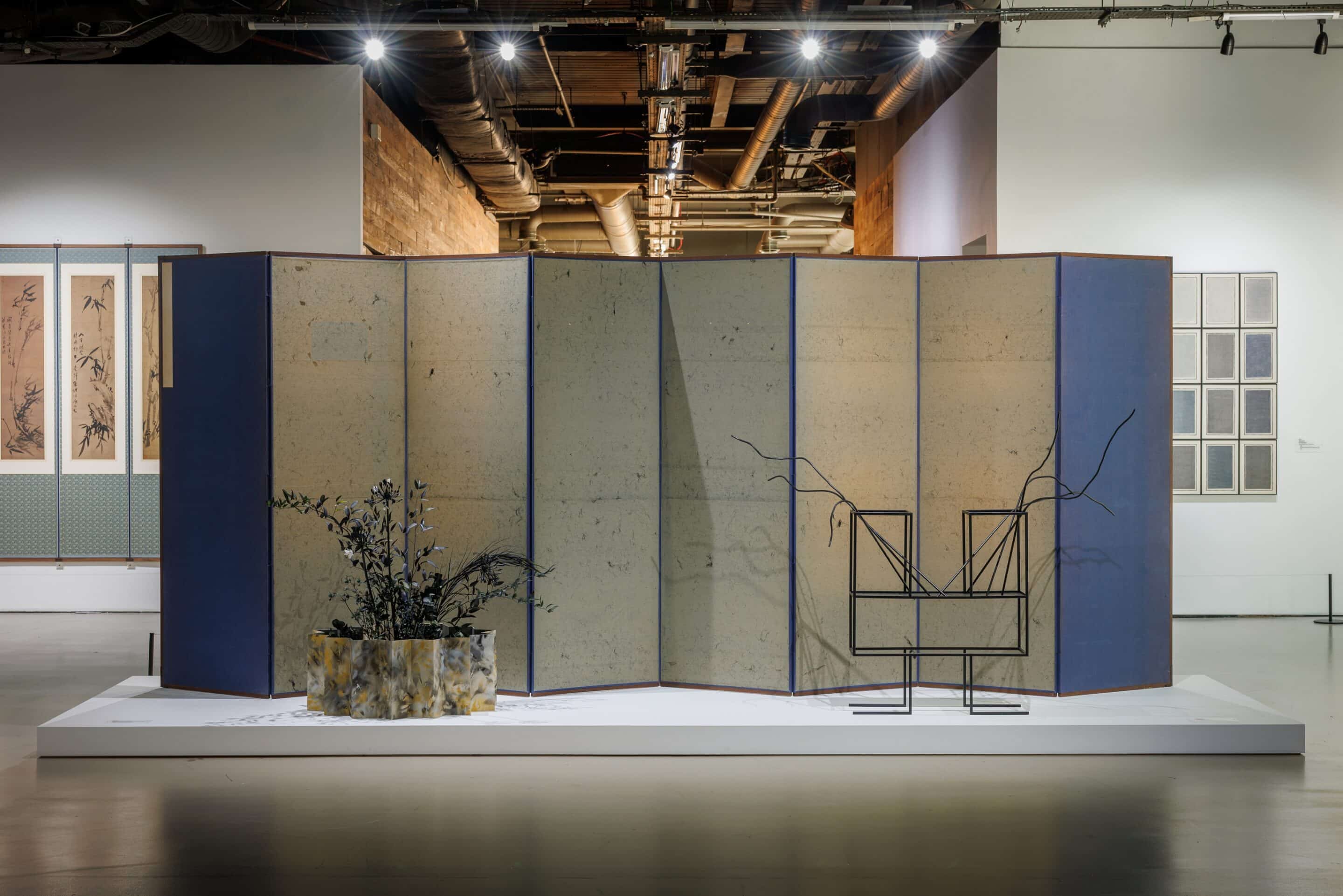
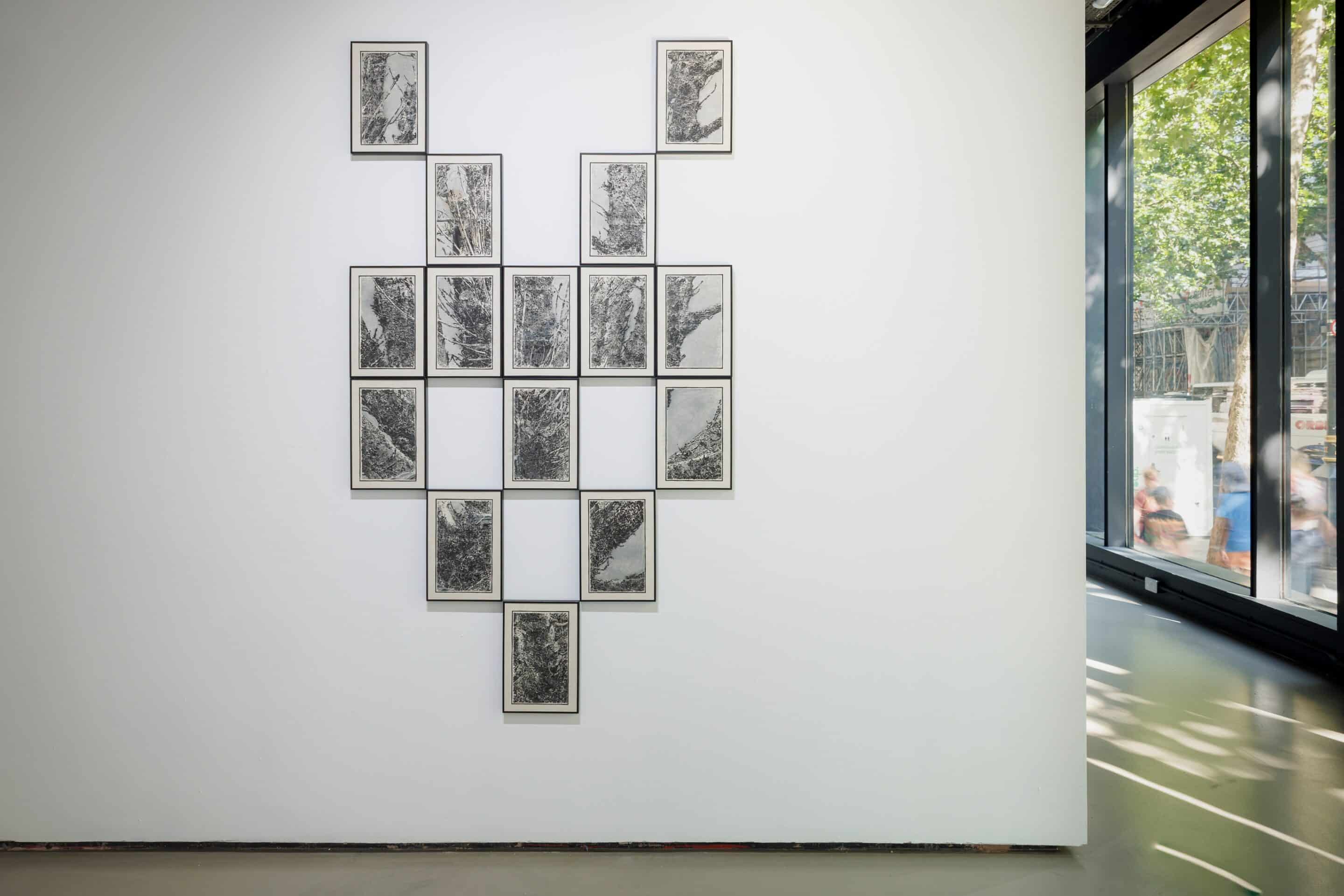
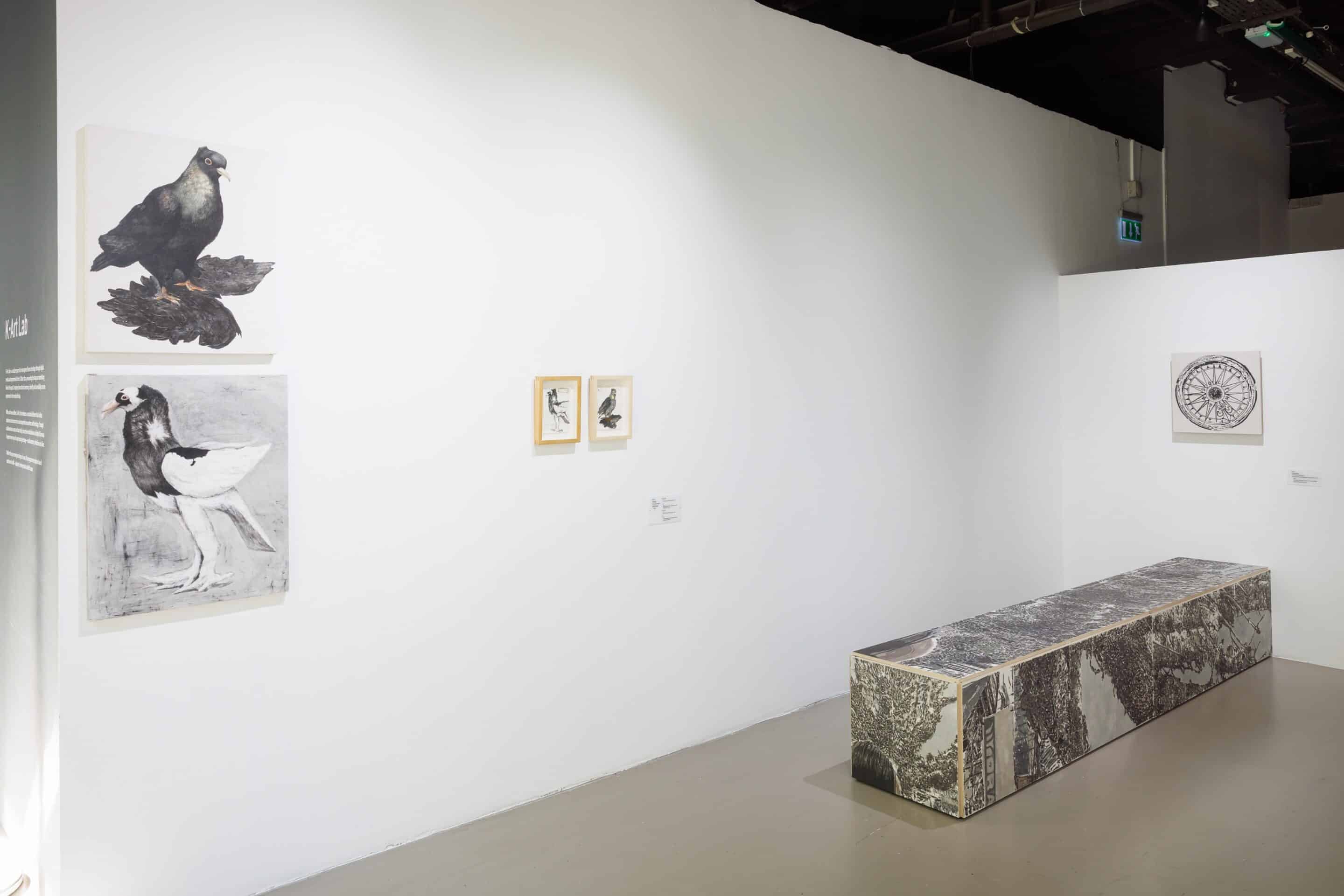
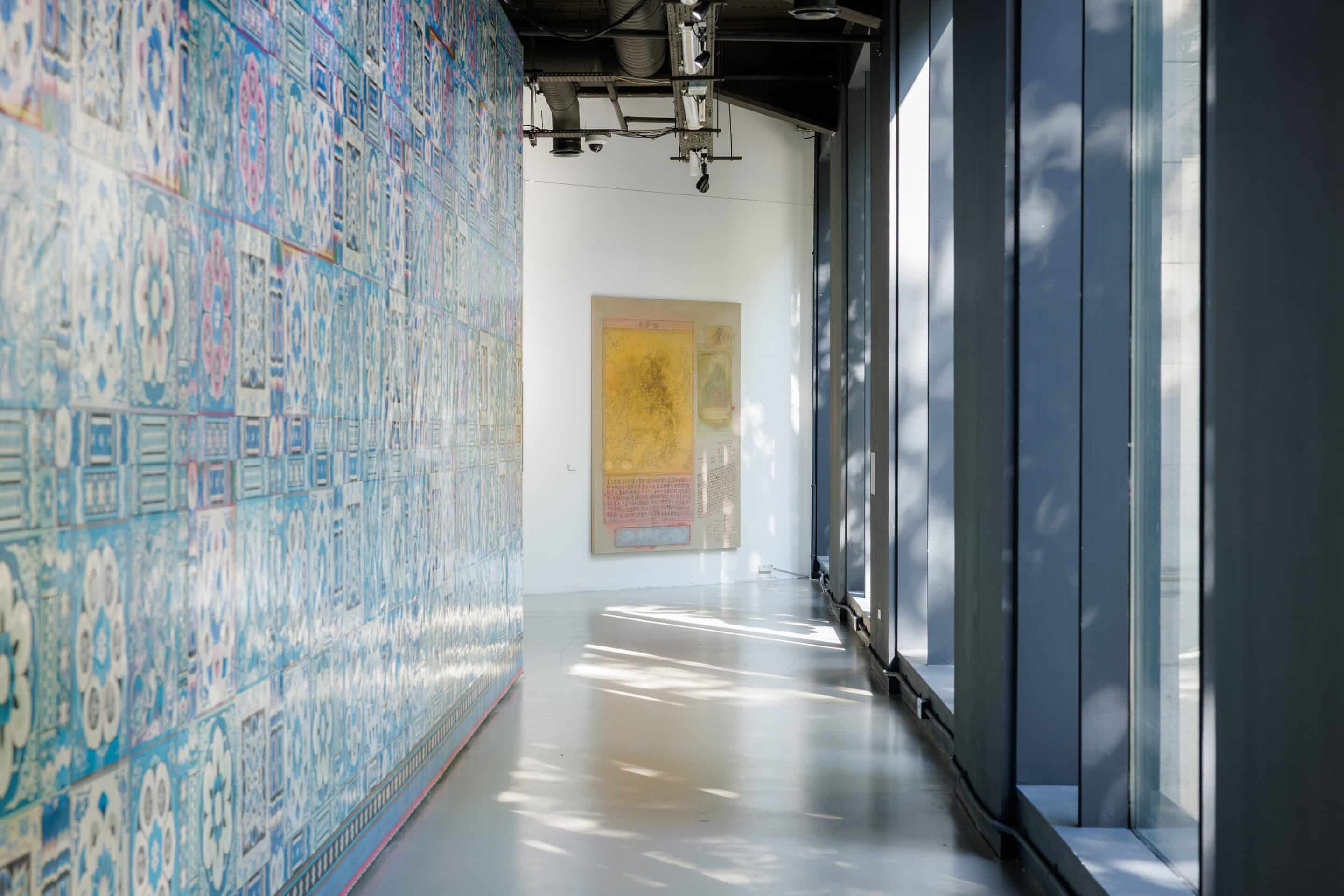
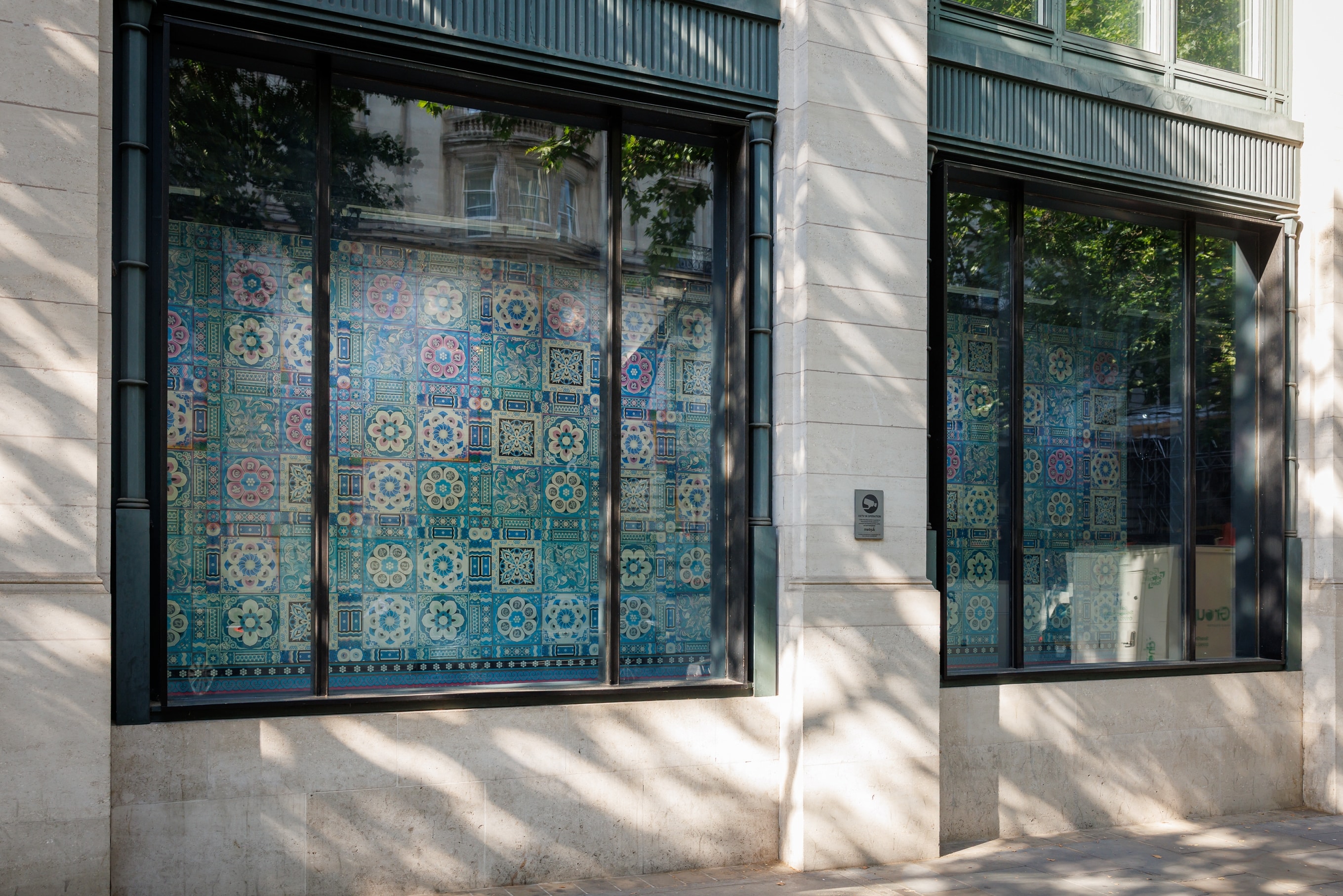
일민미술관은 주영한국문화원, 주벨기에유럽연합한국문화원과 함께 《다시 그린 세계 2026: 순수와 혼종》을 개최한다. 2022년 서울에서 열린 《다시 그린 세계: 한국화의 단절과 연속》을 출발점으로 삼는 이번 전시는 한국 전통 예술의 한 갈래인 문인화(文人畵)를 중심으로 미술관 소장품과 동시대 한국화를 재구성한다. 조선 후기부터 20세기에 이르는 소장품, 그리고 모(模)·임(臨)·방(倣)이라는 예술적 방법론을 차용하는 젊은 작가들의 작품이 한곳에 교차한다. 역사적 범본(範本)과 오늘의 변주로 서로를 비추어 한국화의 의미와 정체성을 재탐색하는 시도이다.
문인화는 인격 수양과 도덕 실천을 목표로 끊임없는 자기 성찰을 중시한 선비 정신에서 태어났다. 예술은 재현의 기술이 아닌 교양의 결과였으며 작가의 수양이 곧 그림의 격으로 이어졌다. 앞선 대가의 것을 그대로 따라 그리고(모, 模), 구성 원리와 표현 방식을 이해하여 다시 그리고(임, 臨), 습득한 지식 위에 자신의 해석을 더해 새로 그리는(방, 倣) 단계적 수행은 이러한 과정을 견고한 형식으로 떠받쳤다. 18세기 선비 강세황이 “난과 대나무의 실물을 익히 보고, 옛사람들의 유적을 널리 보고, 되풀이하는 공부를 오래 쌓아야 비로소 이룰 수 있다”고 쓴 것은, 문인화가 한 개인의 기량이 아니라 세대를 이어 전수되는 깨달음을 중시하며, 역사에 가까운 긴 시간을 필요로 하는 형식임을 드러낸다.
우리가 살아가는 시대에는 시간을 감각하는 방식이 달라졌다. 강세황에게 과거와 현재가 연속적인 축에 놓여, 옛 그림을 오래 보고 따라 그리는 수행이 그 축을 따라 자신을 세우는 일이었다면, 이제 과거는 즉시 호출 가능한 데이터의 축적이며 현재는 실시간으로 생성되는 이미지의 흐름이다. 과거와 현재는 선형의 궤적으로 이어지기보다 우발적으로 교차하거나 충돌한다. ‘현재’의 독특한 시간 위에서 동시대 한국화는 불가피한 갱신의 요구에 부딪힌다. 문인화를 규정하는 수행을 그대로 따를 수도 폐기할 수도 없는 이중의 구속 속에서, 동시대 한국화가들은 모·임·방의 방법론을 뒤섞고 재배치함으로써 과거의 형식을 오늘의 감각으로 불러들인다.
한국화가 안정된 전통이 아니라는 점도 이들의 작업을 이해하는 데 중요하다. 20세기 초 한국이 일본의 식민 통치 아래 놓였을 때, 한국 전통 예술은 ‘동양화(東洋畵)’라는 개념으로 제도화되었다. 이 명칭은 일본 제국이 세운 ‘동양’이라는 지리적·문화적 범주를 이식한 것이었고, 후발 근대국가인 일본이 유럽의 세계관을 통해 거꾸로 ‘동양’을 호명한 결과이기도 했다. 해방 이후 제안된 ‘한국화’ 개념은 탈식민적 언어를 향한 열망을 담았으나, 이 논의는 동시대 미술의 수용과 맞물리면서 하나의 순수한 기원을 쫓기보다 여러 사유와 담론을 담는 데 적합한 것으로 발전했다. 이번 전시에 참여하는 젊은 작가들에게 한국화는 이미 당연하게 주어진 유산이 아니다. 다소 멀고 낯선, 때로는 공동체 바깥의 시선을 경유해야만 하는 ‘전통’을 어떻게 다시 예술의 형식으로 사용할 것인지가 이들 세대의 질문이다. 서울(2022), 오사카(2025), 도쿄(2025)에서 개최된 일민미술관의 한국화 전시는 이와 같은 문제의식에 답하기 위해 기획되었다.
송지인, 최수련, 최해리, 황규민은 전통과 현대 사이의 공백을 정직하게 직면한다. 이들의 작업에는 전통의 원리를 충실히 따르는 순간과 그 원리가 다른 시대·문화의 양식에 부딪혀 도약하는 순간이 공존한다. 이러한 감각을 쫓다 보면 우리가 역사적인 유물이라 믿는 소장품 또한 순수성과 혼종성이라는 모순된 양면을 딛고 있음이 발견된다. 즉 ‘순수와 혼종’은 전통 예술과 동시대 한국화를 나누는 경계가 아니라 ‘전통’이 특정한 문화 체계로서 변천해 온 고유한 구조를 의미한다. 일민미술관은 이 지점에 주목하는 한국 예술의 실천을 런던, 브뤼셀의 관객들과 함께 나눈다.
기간
2026.6.26.(금)―8.21.(금)
장소
주영한국문화원
주최·주관
주영한국문화원, 주벨기에유럽연합한국문화원, 일민미술관
후원
문화체육관광부, 한국국제문화교류진흥원, 한국문화예술위원회, 현대성우홀딩스
참여작가
송지인, 최수련, 최해리, 황규민
소장품
겸재 정선, 원교 이광사, 표암 강세황, 추사 김정희, 오원 장승업, 심전 안중식, 청전 이상범, 심산 노수현, 남정 박노수
관장
김태령
책임기획
윤율리
기획
정연지
일민미술관 학예실
최혜인, 백지수, 윤지현, 신지현, 이지언, 배정인, 장미영, 문하영, 신혜인
그래픽 디자인
페이퍼프레스
기물 제작
맙소사
번역
김지선
영문 감수
주영한국문화원, 주벨기에유럽연합한국문화원
관람시간
오전 10시─오후 5시 30분, 월─금요일
주말 및 대한민국·영국 국경일 휴관
관람료
무료
주소
Korean Cultural Centre UK, Grand Buildings, 1─3 Strand, London WC2N 5BW (Entrance on Northumberland Avenue)
문의
+44 (0)20-7004-2600 | info@kccuk.org.uk | www.kccuk.org.uk
Ilmin Museum of Art, in collaboration with the Korean Cultural Centre UK and the Korean Cultural Center to Belgium & the EU, presents Korean Traditional Painting in Alter-age: Pure and Hybrid. Building on the original 2022 exhibition in Seoul, this iteration brings together works from the museum’s collection and contemporary practices centring on literati painting as a key strand of Korean traditional art. Works from the museum’s collection spanning the late Joseon Dynasty through the twentieth century intersect with those of younger artists who draw on the methods of copying (mo, 模), studying and imitating (im, 臨), and adapting (bang, 倣). Through this encounter, the examples of the past and the adaptations of the present reflect one another, opening a renewed inquiry into the meaning and identity of Korean painting, Hangukhwa.
Literati painting emerged from the spirit of the seonbi (“scholar”), which emphasised sustained reflection through self-cultivation and moral practice. In this context, art was not simply a matter of technical representation but the outcome of a cultivated life; the quality of a painting was inseparable from the cultivation of its maker. The progressive method of training—copying a masterpiece (mo), studying the logic and technique of the masterpiece and imitating it (im), and adapting those skills to reinterpret it (bang)—provided a structured path for this process. The eighteenth-century seonbi Kang Sehwang wrote, “Mastery comes only through studying orchids and bamboos closely, learning from the vast legacy of one’s ancestors, and practicing repeatedly over a long period of time.” Literati painting, in this sense, is a method shaped through history, one that values knowledge passed down through generations over individual skill.
Today, we live in a world where time is experienced differently. If, for Kang Sehwang, the past and present were a continuum, and the act of studying old paintings was a way of situating oneself within it; for us, the past exists as an archive of instantly accessible data, while the present unfolds as a constant stream of real-time images. Past and present rarely progress linearly. Instead, they intersect and collide in unpredictable ways. Within this altered temporality, contemporary painters of Hangukhwa face an unavoidable demand for renewal. Unable either to fully preserve or entirely abandon the traditions of literati painting, these painters recombine and rearrange the mo, im, bang methodology to draw historical forms into the sensibilities of the present.
It is also important to recognise that Hangukhwa is not a fixed or stable tradition. During the early twentieth century, under Japanese colonial rule, Korean art was institutionalised under the label “Oriental Painting”—a term that reflected the geographic and cultural category of ‘the Orient’ as defined by imperial frameworks, and that Japan, as a late modernising nation, had itself recast through a European worldview. Emerging after Korea’s liberation, the concept of Hangukhwa represented the people’s yearning for a decolonised identity. Yet rather than asserting a single, pure origin, this concept has evolved to accommodate different perspectives and discourses in dialogue with contemporary art. For the young artists in this exhibition, Hangukhwa is not an inheritance they take for granted. The question, for them, is how to reactivate such “tradition” as a living form of art—one that is distant and even unfamiliar, and must at times be approached through perspectives from the outside. Previous Hangukhwa exhibitions organised by Ilmin Museum of Art in Seoul (2022), Osaka (2025), and Tokyo (2025) were conceived in response to this ongoing inquiry.
Jean Song, Choe Sooryeon, Choi Haeri, and Hwang Kyumin remain attentive to this space between tradition and contemporaneity. Their works move between moments of close adherence to traditional principles and moments in which those principles encounter, and are transformed by, other temporalities and cultural forms. Seen through this lens, even the historical works from Ilmin’s collection reveal themselves as shaped by both purity and hybridity. “Pure and hybrid,” then, does not mark a boundary between traditional and contemporary Hangukhwa, but rather points to the very structure through which “tradition” as a cultural system evolves through time. With this exhibition, Ilmin Museum of Art shares these ongoing artistic explorations around Korean art with audiences in both London and Brussels.
Period
2026.6.26.(Fri)―8.21.(Fri)
Venue
Korean Cultural Centre UK
Hosted and Organised by
Korean Cultural Centre UK, Korean Cultural Center to Belgium & the EU, Ilmin Museum of Art
Supported and Sponsored by
Ministry of Culture, Sports and Tourism, Korean Foundation for International Cultural Exchange, Arts Council Korea, Hyundai Sungwoo Holdings
Artists
Jean Song, Choe Sooryeon, Choi Haeri, Hwang Kyumin
Collections
Jeong Seon, Yi Gwangsa, Kim Jeonghui, Kang Sehwang, Jang Seungeop, An Jungsik, Lee Sangbeom, No Soohyeon, Pak Nosoo
Director
Kim Taeryung
Chief Curator
Yoon Yuli
Curator
Jeoung Yeonji
Curatorial Dept. of Ilmin Museum of Art
Choi Hyein, Baik Jisoo, Yoon Jihyun, Shin Jihyun, Lee Jieon, Bae Jeongin, Chang Miyoung, Moon Hayoung, Shin Hyein
Graphic Design
paperpress
Spatial Design
Marcsosa
Translation
Kim Jisun
Edited by
Korean Cultural Centre UK, Korean Cultural Center to Belgium & the EU
Opening Hours
10 AM─5:30 PM, Monday ─ Friday
Closed on weekends and national holidays of the Republic of Korea and the UK
Admission
Free
Address
Korean Cultural Centre UK, Grand Buildings, 1─3 Strand, London WC2N 5BW (Entrance on Northumberland Avenue)
Enquiries
+44 (0)20-7004-2600 | info@kccuk.org.uk | www.kccuk.org.uk